The Door & Hardware Federation (DHF) is encouraging hardware members to prepare for a significant change in the way products are specified, evaluated and procured across the public sector, as environmental performance and carbon transparency become increasingly important considerations in purchasing decisions. A growing emphasis on Environmental Product Declarations (EPDs), as well as the development of the Carbon Border Adjustment Mechanism (CBAM), is creating new opportunities for manufacturers and suppliers able to demonstrate strong environmental credentials, transparent supply chains and a commitment to responsible business practices.
Across the construction and built environment sectors, public sector organisations, contractors, consultants and procurement teams are under increasing pressure to demonstrate measurable progress against Net Zero commitments, sustainability targets and wider environmental, social and governance (ESG) objectives. As a result, the demand for reliable environmental information is growing rapidly. EPDs are becoming a key part of this process. An Environmental Product Declaration is a standardised and independently verified document that provides transparent information about a product's environmental impact throughout its lifecycle. This includes factors such as raw material extraction, manufacturing processes, transportation, installation, use and end-of-life disposal or recycling.
By providing consistent environmental data, EPDs enable specifiers and procurement professionals to compare products more effectively and make informed decisions based on sustainability performance. The increasing use of EPDs is being driven by a range of factors, including whole-life carbon assessments, sustainable procurement requirements, Net Zero strategies, BREEAM and other environmental assessment schemes, and growing ESG reporting obligations. Organisations responsible for delivering public buildings and infrastructure projects are increasingly expected to demonstrate not only that environmental impacts have been considered, but that product choices can be supported by independently verified evidence.
In addition to the growing importance of EPDs, the Carbon Border Adjustment Mechanism is expected to place further emphasis on carbon reporting and supply chain transparency. CBAM has been developed to address carbon emissions associated with imported goods and materials, helping to reduce carbon leakage, improve emissions transparency and encourage lower-carbon manufacturing practices. Although the initial focus of CBAM is on high-carbon sectors and raw materials, its influence is expected to extend throughout wider manufacturing and construction supply chains over time, particularly where products contain materials such as steel and aluminium. As carbon reporting requirements continue to evolve, organisations are likely to face increasing scrutiny regarding the environmental impact of the products and materials they specify and purchase.
For DHF hardware members, the relationship between EPDs and CBAM is particularly important. While CBAM focuses on carbon emissions associated with imported products and materials, EPDs provide a much broader picture of environmental performance across the entire product lifecycle. Together, they support greater transparency, improved reporting and more informed decision-making throughout the supply chain. As public sector procurement increasingly focuses on embodied carbon, sustainability performance and ESG objectives, suppliers that can demonstrate both environmental transparency and a clear understanding of carbon impacts are likely to be viewed more favourably.
These developments are already influencing procurement and specification decisions across a wide range of public sector projects. New-build developments, refurbishment programmes, infrastructure schemes, transport projects, healthcare facilities, education estates, housing developments and government buildings are all seeing increased focus on sustainability and carbon performance. In many cases, environmental performance now forms part of tender evaluation criteria, meaning that suppliers are not only competing on quality and price but also on their ability to demonstrate responsible environmental practices and transparent supply chain management.
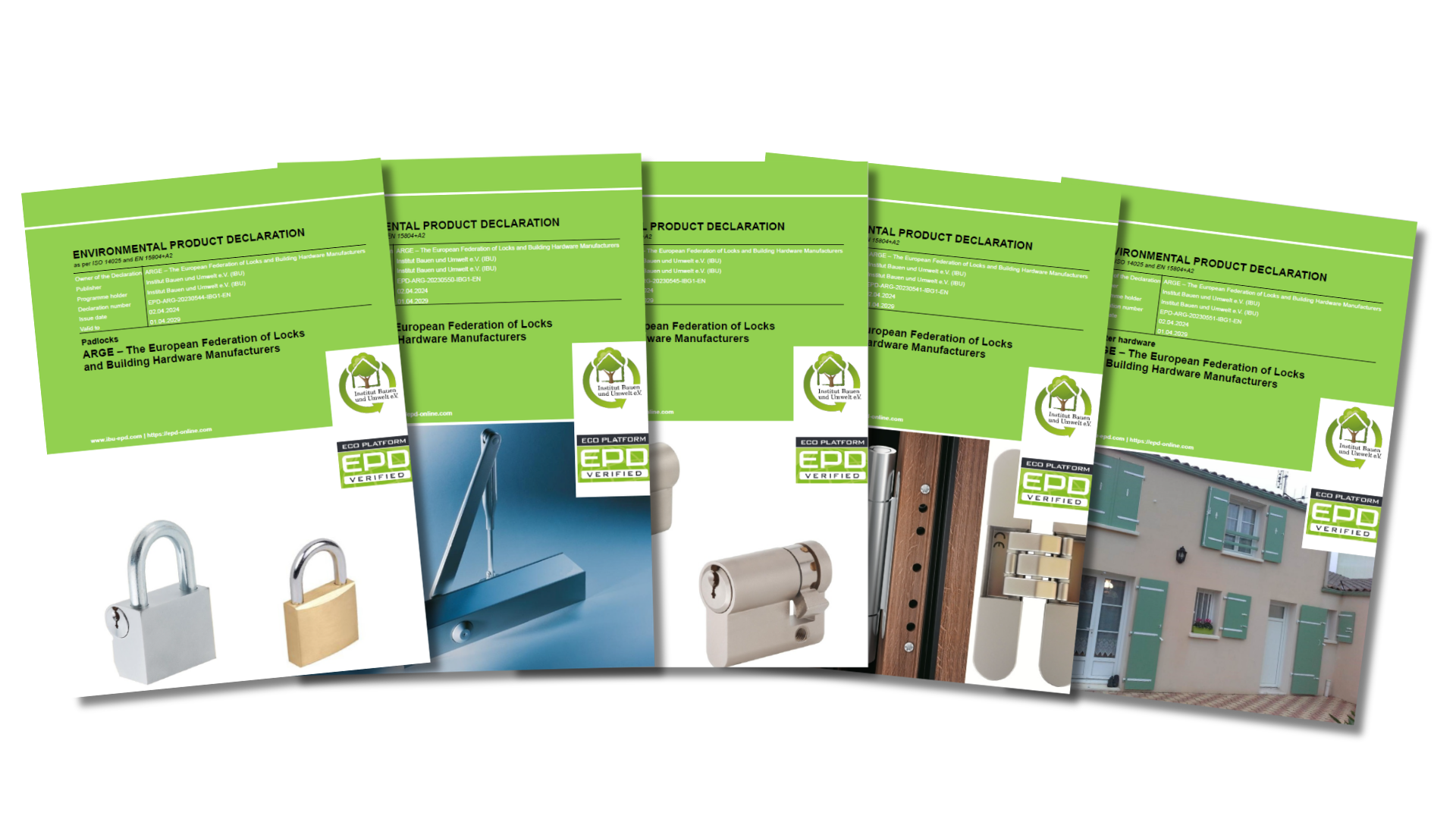
"Environmental performance is becoming an increasingly important part of product specification and procurement” explains DHF’s Deputy CEO, Patricia Sowsbery-Stevens. “Public sector organisations and major contractors are under growing pressure to demonstrate sustainability, carbon reduction and responsible sourcing throughout their projects. The conversation has moved beyond simply supplying a compliant product. Increasingly, organisations want to understand the wider environmental impact of the products they are specifying and purchasing. They are looking for evidence, transparency and credible data that can support their sustainability objectives. For DHF members, this presents a genuine opportunity. Businesses that invest in environmental reporting, understand their supply chains and can provide independently verified information through EPDs will be well positioned to meet these changing expectations. DHF currently offers fourteen generic EPDs for its Building Hardware members with a further one presently in production.
“Many public sector clients are now expected to demonstrate progress towards Net Zero goals and wider ESG commitments. As a result, architects, consultants, contractors and procurement teams are paying much closer attention to environmental performance when making specification decisions. Members who can provide robust environmental information are likely to find themselves in a stronger position when competing for work. EPDs can help demonstrate transparency, support whole-life carbon assessments and provide confidence that sustainability claims are supported by evidence and we are proud to offer these generic EPDs to our Building Hardware members and encourage more to take advantage of the opportunity to be part of the scheme."
DHF believes that the trend towards greater environmental accountability will continue to strengthen in the coming years. As sustainability requirements become more embedded within procurement processes, environmental transparency may increasingly become a prerequisite rather than a differentiator. The Federation is therefore encouraging members to consider how they communicate their sustainability credentials to the market. This includes ensuring that customers are aware of any EPDs available for products, providing information about responsible sourcing practices and engaging proactively with specifiers, contractors and procurement professionals.
Early engagement during the specification stage is becoming increasingly important. By discussing sustainability performance at the beginning of a project, suppliers can help clients understand the environmental benefits of their products and support wider project objectives relating to carbon reduction and responsible procurement. DHF also believes that membership of the Federation can play an important role in these conversations. DHF membership demonstrates a commitment to industry best practice, technical competence, professionalism and compliance. These qualities align closely with the objectives of public sector procurement teams seeking confidence in both products and suppliers.
"Public sector buyers are increasingly looking for trusted suppliers who can support them in meeting complex sustainability and compliance requirements,” concludes Patricia. “They want confidence in the quality of products, the competence of suppliers and the transparency of the supply chain. DHF members are already well placed to support these objectives. By combining strong technical expertise with a commitment to compliance, responsible business practices and environmental transparency, members can demonstrate real value to clients and stakeholders.
"We would encourage members to actively promote their sustainability credentials, particularly their EPDs, engage with customers on environmental issues and ensure that they are ready to respond to the growing demand for carbon and environmental data. Those who do so are likely to be best placed to take advantage of future opportunities and gain commercial benefit."

Join dhf
Enjoy the full benefits of dhf membership
Apply today